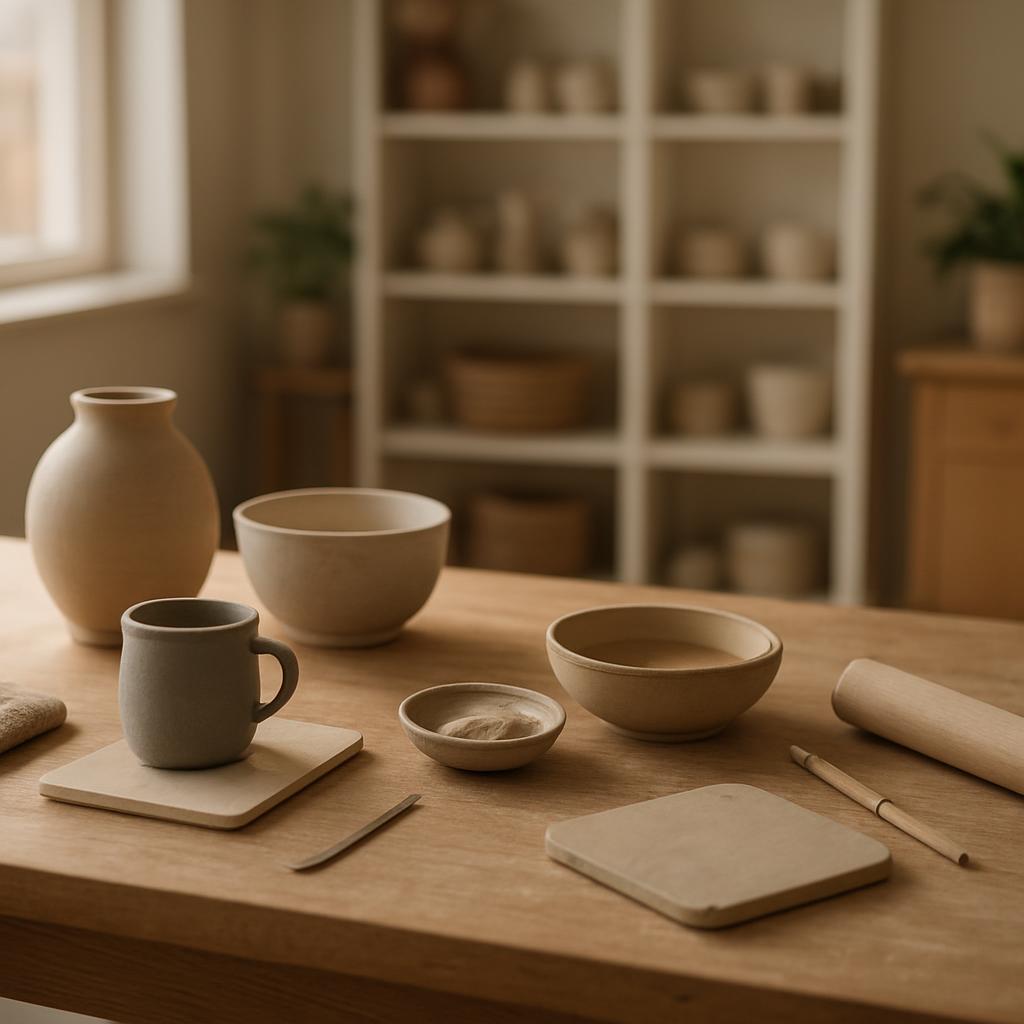
How to Prepare for Ceramic Keepsakes Epperstone
Find Out More →Getting real value from Ceramic Keepsakes Epperstone comes down to more than just walking in and hoping for the best. The difference between a keepsake that sits on a shelf and one you actually treasure for years is usually decided before you even meet with them. It's the homework you do, the details you gather, and the questions you ask upfront.
If you're thinking about commissioning something — whether it's a memorial piece, a family heirloom, or something to mark a specific moment — you need to know what to bring to the table. Ceramic Keepsakes Epperstone works best when you do.
What should I gather before getting started?
Start by collecting everything that matters to your brief. This isn't about having a perfect plan — it's about giving Ceramic Keepsakes Epperstone the raw material they need to understand what you're actually after.
Write down the story. Who is this for? What does it commemorate? If it's a memorial piece, what did that person love? What made them them? If it's marking a milestone, what moment are you trying to preserve? Don't overthink it — bullet points are fine. Just be specific. "Something nice" doesn't help. "A tribute to my grandfather's 50 years at the same job, he always said he could identify soil by touch" — that tells a story.
Gather photographs if they're relevant. Any images that capture the mood you're after, or specific details that matter. Colours, textures, objects — anything visual that might spark an idea. If there are people involved, have their names and dates ready. Handwriting samples can be valuable too if you're considering inscriptions.
Think about how you'll use it. Will it live on a mantelpiece? A garden? Be passed down? This shapes what's actually practical. As we covered in our guide on working with ceramic keepsakes, the final piece needs to work in the space where it'll actually sit.
Have a rough budget in mind. Not to the pound, but a sense of scale helps. Are you looking at something modest, or are you willing to invest in something more ambitious? Ceramic Keepsakes Epperstone can work at different levels, but knowing your range upfront means no awkward conversations later.
What questions actually matter when you first meet?
Don't just ask what they can do — ask how they'd approach your specific idea. The right question isn't "Can you make this?" but "What would you suggest for someone wanting to honour [your specific situation]?"
Find out their timeline. Ceramic work takes time — glazing, firing, checking quality. If you need something by a particular date, say so early. Ceramic Keepsakes Epperstone will be honest about what's realistic.
Ask about their process. How many versions do they show you? Can you request changes? What happens if something doesn't feel right after the first firing? Understanding how they work with revisions stops frustration down the line. Find out more here about the typical workflow so you know what to expect.
Clarify what's included. Does the price cover finishing touches like mounting or display? What about care instructions? If it's going outdoors near St Mary the Virgin Church or anywhere else exposed to weather, you need to know durability specs upfront.
Ask for examples of similar work. Not to compare, but to see how they translate ideas into ceramic. Every maker has a style, and you need to feel confident it matches your vision.
How do you keep things smooth once you've started?
Stay in touch but don't second-guess constantly. Ceramic work isn't like ordering something off the shelf — it's collaborative, but the maker needs space to work. Check in when agreed, but trust the process between updates.
Be ready to make decisions promptly. If they send photos of work in progress or ask about a colour choice, respond quickly. Delays on your end can push timelines, especially when firing schedules are involved.
Document conversations. Email confirmations of big decisions — colours, dimensions, inscriptions, dates. If something gets lost in translation later, you'll have it in writing.
Visit if you can. Ceramic Keepsakes Epperstone is local. Being able to see work in person, hold pieces, and talk face-to-face makes a real difference. It's harder to miscommunicate when you're in the same room. If you're not local, good photos and video calls help bridge that gap.
Be open to suggestions. The maker might spot something you've missed — a practical improvement, a detail that would enhance the piece, a technique that suits your vision better. They've done this before. Listen when they suggest something.
What happens when it's finished?
Receive it properly. Don't just accept it and move on. Spend time with it. Does it feel right? If something isn't as you imagined, most makers will talk through adjustments. This is your moment to be sure.
Follow any care advice. Whether it's sealed, glazed, outdoor-safe or meant for interior display, how you maintain it affects how long it lasts. A piece made with care deserves the same.
If you're genuinely happy, say so. Good feedback matters to makers. If Ceramic Keepsakes Epperstone created something that means something to you, let them know. It matters.
Getting real value from Ceramic Keepsakes Epperstone isn't complicated, but it does require showing up prepared and engaged. The more you put in at the start — the clearer your story, the sharper your vision, the more honest your conversation — the better the piece that comes back. That's how you end up with something you'll treasure for decades, not just a nice thing that happened to turn out okay.
Ready to start? Get in touch with Ceramic Keepsakes Epperstone and bring everything you've gathered. They'll take it from there.
Looking for Ceramic Keepsakes near Epperstone?
We have secure, flexible units available in the area. Get in touch with Ceramic Keepsakes Epperstone today.
Find Out More →