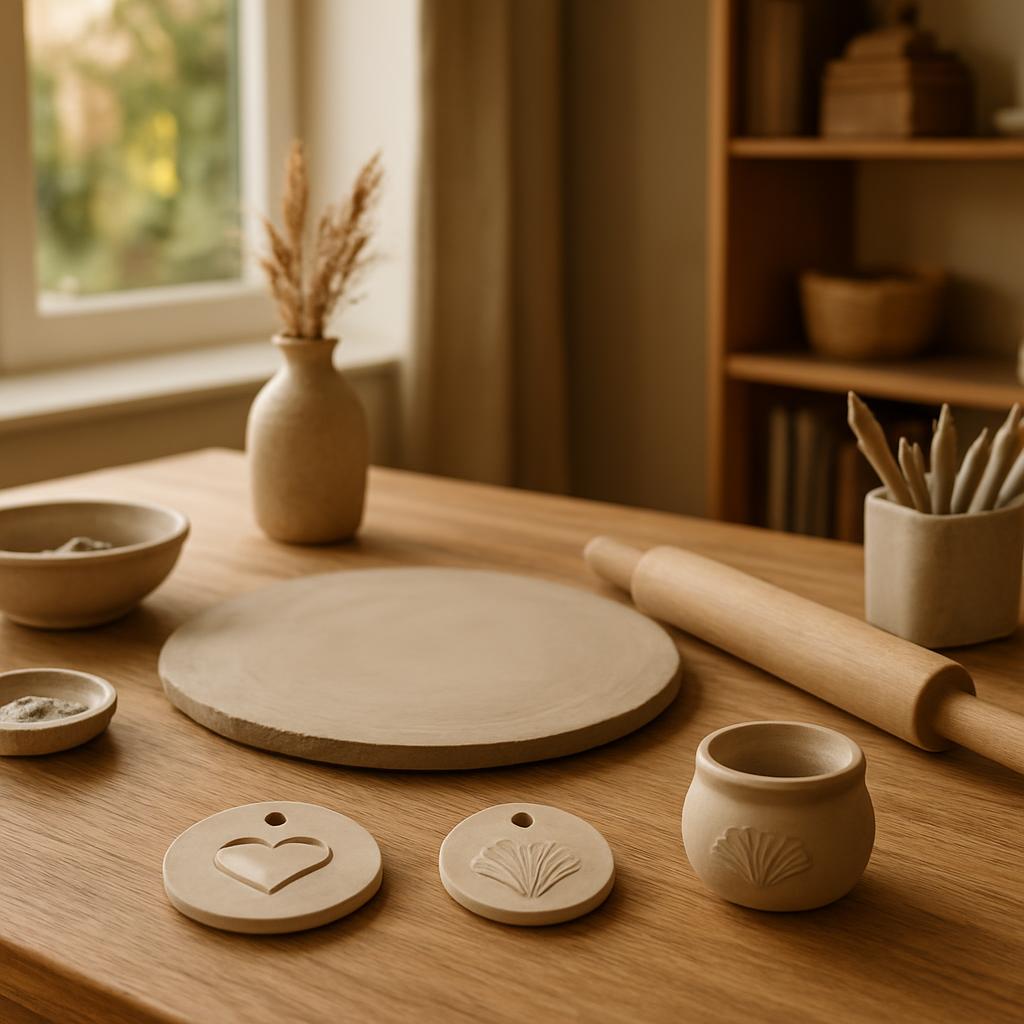
Getting Ceramic Keepsakes Right in Epperstone
Find Out More →Most people who come to Ceramic Keepsakes Epperstone already know what they want—or think they do. But there's a real difference between walking in with a vague idea and walking in prepared. The quality of what you get back depends almost entirely on what you put in at the start.
This isn't about the craftsmanship (that's already there). It's about you. Here's how to make sure the process works smoothly and you end up with something you genuinely treasure.
What should I bring or prepare before I arrive?
Start with whatever you're actually trying to commemorate. If it's a photo, bring the original or a really clear digital copy—not a screenshot from your phone, not something you've cropped a dozen times. If it's handwriting, a first tooth, or a fingerprint, have the actual item ready, or at least a high-quality scan or cast. The clearer your source material, the better the detail will come through in the final piece.
Think too about the context. Why does this matter to you? Write a few notes if you need to—about the person, the moment, the story behind it. You don't need to hand over an essay, but knowing exactly what you're trying to capture helps you explain it clearly when you sit down with Ceramic Keepsakes Epperstone. It sounds simple, but most of the time something goes wrong it's because the brief was hazy.
Have a rough idea of size and style too. Are you thinking something small for a shelf? A piece that needs to fit with existing décor? Do you want colour, or would you prefer something subtle? You don't need to have every detail locked down—that's what the consultation is for—but arrive with a general direction in mind. Read more here about the creative process if you're still working out what style suits you.
What questions should I actually ask?
Don't be shy about asking how they'll handle your specific source material. If you're bringing a photo that's a bit faded or a handwriting sample that's small, ask exactly how they'll work with it. Ask about timelines too—how long does something actually take, and what happens if you need it by a certain date?
Cost matters, so ask for a clear breakdown. What's included, what costs extra, are there different options at different price points? You should understand what you're paying for before you commit.
Ask about the durability and care of the finished piece as well. Ceramic needs handling properly. If you're planning to display it somewhere specific—near the front door where it catches dust, or in a bathroom with steam—mention that and ask if there's anything you should know about keeping it in good condition long-term.
And ask if you can see examples. Not just generic portfolio shots, but things similar to what you're trying to create. That gives you a realistic sense of what Ceramic Keepsakes Epperstone can do with something like yours.
How do I make the actual process smoother?
Be honest about your timeline from the start. If you need something in three weeks, say so. If you can wait longer and want more detail, that's useful information too. Trying to rush a process that needs time, or waiting around when you could have it done faster, wastes everyone's time.
When they ask for feedback or revisions, actually engage with it. If they show you a draft or a test piece and it's not quite right, tell them what's off. Be specific—'the proportions feel different' is more useful than 'it doesn't look like I imagined'. This guide covers more about working through the creative stages and how to communicate your vision effectively.
Keep your source materials safe while the work is being done. You might think you'll remember exactly where you put that original photo, but you won't. Keep it somewhere obvious until the piece is finished and you've seen the final result.
Stay in touch with regular check-ins, especially if it's a longer project. A quick text or email asking how things are progressing isn't nagging—it's reassuring. It also means any problems get caught early rather than as a surprise at the end.
What happens when you finally pick it up?
Take your time inspecting it before you leave. Look at the detail, check the finish, make sure everything matches what you agreed on. If something's not right, that's the moment to address it, not three days later at home. Ceramic Keepsakes Epperstone will want you to be happy, but they can only fix things if you tell them while you're there.
Ask for any care instructions in writing—not just a quick chat. You want to remember six months from now how to keep it looking its best.
Finally, understand what you've actually got. A ceramic keepsake is a real thing you made, with your input, at a specific time, with specific people. That's different from ordering something generic. It has weight to it because of the thought that went into it. Treat it that way.
Getting the best from Ceramic Keepsakes Epperstone really does come down to showing up prepared, being clear about what matters to you, and staying engaged through the process. Find out more about planning your project here. When you put in that effort, the piece you end up with isn't just nice to look at—it actually means something. That's worth the extra thought at the start.
Ready to get started? Get in touch with Ceramic Keepsakes Epperstone and bring your idea with you. They'll take it from there.
Looking for Ceramic Keepsakes near Epperstone?
We have secure, flexible units available in the area. Get in touch with Ceramic Keepsakes Epperstone today.
Find Out More →