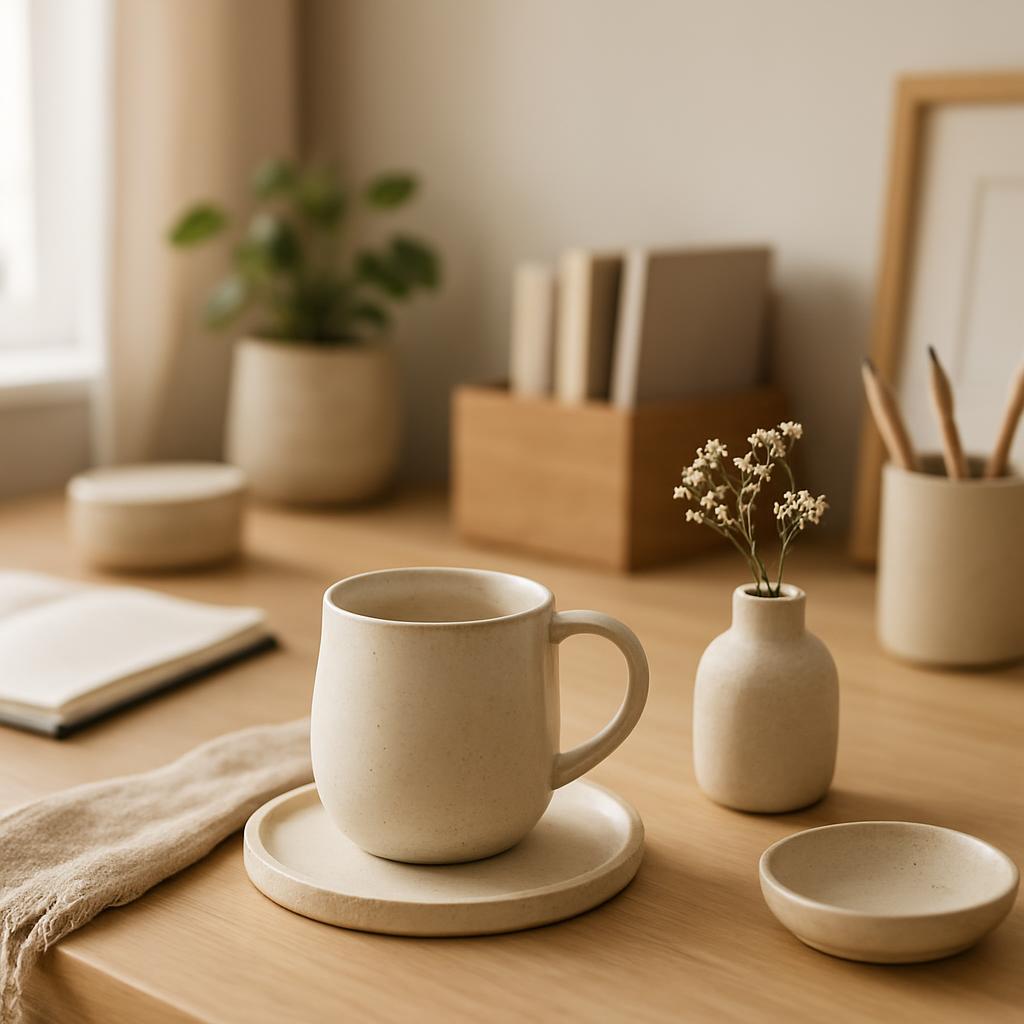
Getting Real Value From Ceramic Keepsakes Epperstone
Find Out More →If you've walked past St Mary the Virgin Church on a quiet afternoon, you know Epperstone has that kind of place where personal touches matter. That's exactly why ceramic keepsakes are worth getting right—they're not throw-away orders, they're things you'll actually keep. Getting real value from Ceramic Keepsakes Epperstone comes down to being clear about what you want before you arrive, asking the right questions while you're there, and understanding what goes into the work itself.
What should you prepare before you get in touch?
The difference between a rushed job and something you'll genuinely love starts before you even book. Spend twenty minutes thinking through what you're actually after—not just the general idea, but the specifics.
Write down what you want the keepsake to commemorate or celebrate. A date? A name? A particular photo or image? If it's a memorial piece, know what matters most about capturing that person or moment. If it's a gift, think about where it'll live in someone's home—a shelf, a desk, a garden—because that changes what works visually.
Bring reference images if you have them. A photo you love, a sketch, even a Pinterest screenshot—anything that shows the team at Ceramic Keepsakes Epperstone what you're imagining. Don't worry if it's rough or incomplete; the point is to show direction, not be prescriptive.
Budget-wise, have a realistic range in mind. You're not buying mass-produced ceramics here; you're commissioning crafted work. Knowing your actual budget—not your wishful one—means the team can suggest materials, sizes, and techniques that genuinely fit what you can spend. It saves everyone's time and keeps the conversation honest.
What questions actually matter when you're discussing your order?
A decent conversation with Ceramic Keepsakes Epperstone should cover timescale, process, and what happens if you change your mind mid-way.
Ask about turnaround time upfront. If you need something by a specific date—an anniversary, a birthday, a memorial service—say it clearly. That determines whether they can take the work on, and it's the kind of practical detail that stops things going wrong later. Related to this, read more here on timing and planning, which covers when to book for different occasions.
Talk through the process. How many stages will your piece go through? When do you get to see drafts or test versions? Are there opportunities to tweak things, or is it one-shot once they start? Understanding the workflow means you know where you fit in and when your input actually matters.
Ask about materials and durability. Different clay bodies, glazes, and firing techniques have different lifespans, especially if the piece will live outside or be handled regularly. If this is something you want to last decades, say so, and ask what choices support that.
Finally—and this matters—ask what happens if you're not happy with the direction halfway through. Can you pause? Adjust? Request a restart? A good team will be transparent about this because it's part of how they work.
How do you actually keep the process smooth?
Once you've booked, the rest depends on staying responsive and clear. Communication is half the work here.
Respond to updates and questions from Ceramic Keepsakes Epperstone in a reasonable timeframe. If they send photos of a test glaze or ask for clarification on sizing, they're doing that to get it right for you. Dragging your feet on replies slows everything down, especially if there's a deadline. Conversely, if you need to ask something, ask it—don't assume or wait and hope.
Be honest if you have concerns. If the first draft isn't quite what you imagined, say so early. That's genuinely easier to address than staying quiet and being disappointed when it's finished. This guide explains how to communicate effectively throughout the commission, which is worth a read if you're worried about the back-and-forth.
Understand that some things genuinely can't be changed once firing happens—clay shrinks, colours shift slightly, glaze behaves in ways that are partly unpredictable. A skilled team minimizes surprises, but ceramics aren't digital art. There's a small element of alchemy in every piece, and that's partly why they're valuable.
Keep photos and notes of any in-progress versions they show you. It helps you remember what you liked or didn't like, especially if you're working over weeks. You can refer back to these when discussing adjustments.
What makes the final result actually worth the investment?
At the end of this process, you're not just getting an object—you're getting something someone made specifically for you or someone you care about. That's the whole point, and it's why the preparation and communication matter so much.
The keepsakes Ceramic Keepsakes Epperstone create tend to become the pieces people genuinely use and display. A mug gets daily use. A tile becomes part of a garden or a kitchen wall. A memorial piece becomes a proper focal point in someone's home. That longevity and meaning come from getting the brief right and staying involved through the making.
If you're ready to start, get in touch with Ceramic Keepsakes Epperstone with your ideas, your photos, and your timeline. Bring the clarity you've worked through, ask the questions that matter to you, and stay engaged once the work begins. That's how you end up with a keepsake you'll actually treasure.
Looking for Ceramic Keepsakes near Epperstone?
We have secure, flexible units available in the area. Get in touch with Ceramic Keepsakes Epperstone today.
Find Out More →